Table Of Content
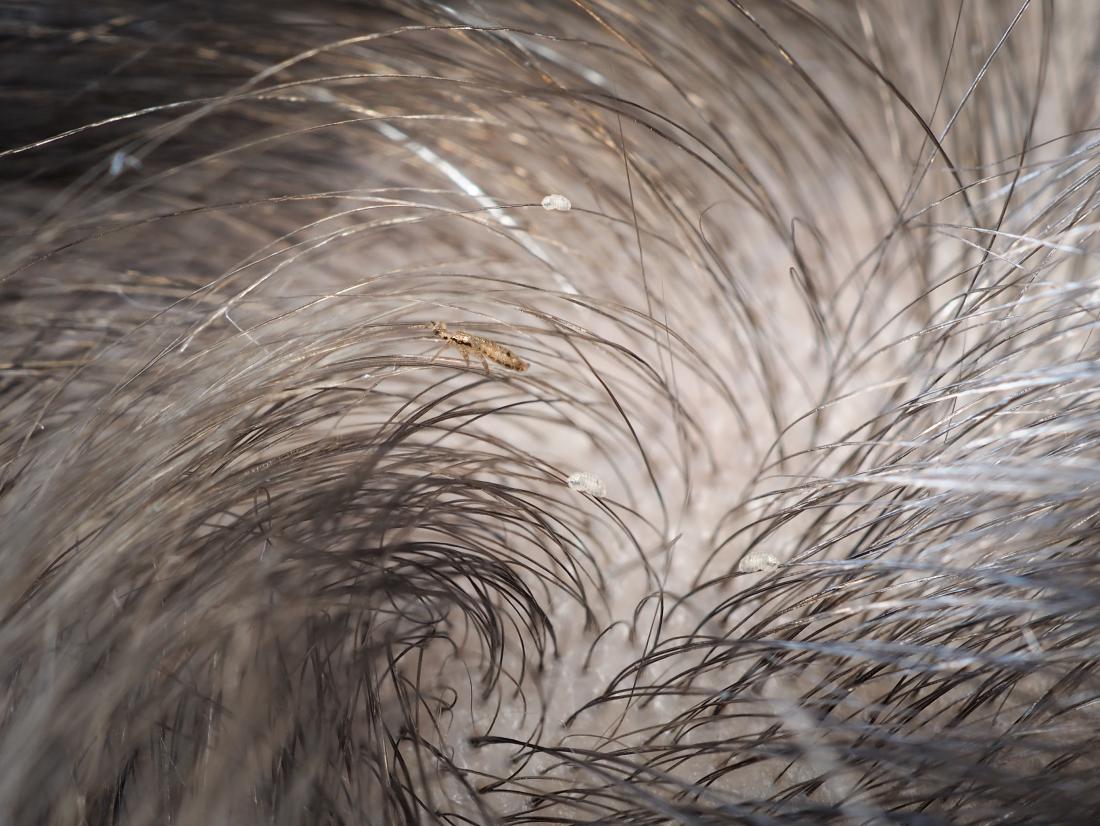
Most lice treatments only kill a small percentage of lice eggs... And if you leave those eggs in the hair then they will hatch and just re-infest your child over and over again. Seeing either lice or eggs indicates a head lice infestation since eggs inevitably hatch into adults.
Rash Behind the Ears
The lice inside may be alive or dead — you can’t tell for sure based on color alone. But the farther nits are from the scalp, the less likely they may be viable. Nits more than 1 cm away from the scalp are most likely dead.
When to see a doctor
Others are dead and only have non-infective lice embryos inside. The easiest way to identify a lice infestation is to know what the eggs look like. Lice are good at hiding, but the eggs remain adhered to the hair shaft until they are manually removed. Here you can see an image of two lice eggs at the base of this person’s scalp. Here you can see images of lice eggs in a man’s hair at the base of his scalp.
#5: Lice Signs & Symptoms
It should be pretty easy to tell if you or a loved one have a lice infestation. Below are some of the most common signs that a lice problem exists. If a person has used medication correctly and the lice remain, they should ask a doctor about prescription-strength treatments. Do not use a second OTC medication if the first has failed.
Pubic Lice
Combing out the lice is the essential step of any head lice treatment. A special lice comb with narrow teeth can help you remove nits and lice. Head lice are tiny insects that feed on blood from the human scalp.

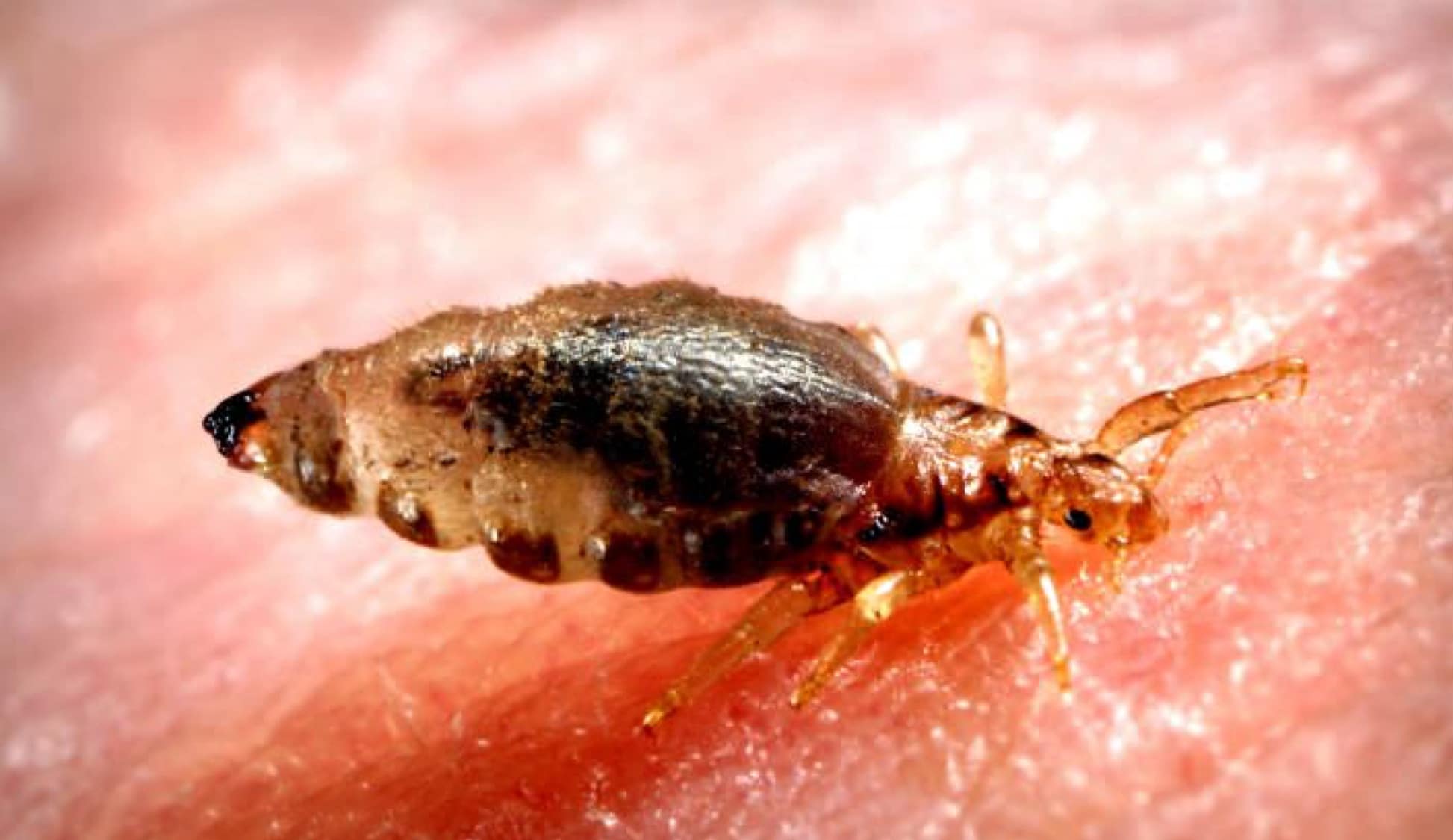
When wondering how to identify nits, they will appear brown, and when you run your fingers over them, you should feel a tiny bump. The answer is that nits are hard with an impenetrable shell. The abdomen of head lice is the body part that will appear reddish in color after the head lice feed on human blood. Male bugs have slightly shorter abdomen than female bugs.
Does pretty hurt? A look at the health risks of hair dyes - WHYY
Does pretty hurt? A look at the health risks of hair dyes.
Posted: Fri, 20 Sep 2019 07:00:00 GMT [source]
Today’s Homeowner exists to help you maintain or improve your home safely and effectively. We uphold strict editorial standards and carefully vet the advice and resources referenced in our articles. Click below to learn more about our review process and how we earn money. Comb from the roots of the hair to the tips, until all the lice are gone. Head lice only affect humans, and they will not jump onto pets or other animals.
Dead vs Live Nits: Color of Lice Eggs
The only way to get rid of head lice is to kill both the living insects and the eggs they lay. Lice treatment usually involves over-the-counter shampoos that contain pest-killing permethrin or pyrethrins, per the CDC. Some of these treatments will kill the nits, but you may need to retreat the scalp. It’s also a good idea to use a fine-tooth lice comb to get rid of nits, as well as any remaining dead or live lice. And, if that doesn’t seem to work, your doctor may recommend you use a prescription medication like benzyl alcohol, ivermectin lotion, or malathion. As head lice, both baby lice and adult lice, feed on blood from the scalp many times a day by biting, they are often found on or near the scalp of the human head.

Related Articles
Lice can’t fly or hop—instead, they get around by crawling, says Patricia Garcia, MD, a pediatrician at Connecticut Children’s Medical Center. The good news is while a head lice infestation can be annoying and possibly uncomfortable, this common condition is treatable. Complications are rare and generally limited to skin infections caused by scratching. Some people experience the uncomfortable symptoms of head lice before noticing them in the hair, while others are asymptomatic. The parasites’ saliva is irritating to many people, causing itching of the scalp.
Louse nits can be easier to detect than lice, possibly because they cannot move or hide. When looking for nits, look closely at the scalp, where they tend to stick after lice lay them. Check the crown of the head, around the bangs, ears, and neck. Lice don’t like light and they’ll “move quickly to avoid it” so you might not be able to see them as you comb through hair, Dr. Garcia says. However, sometimes you’ll actually spot the critters if you’re fast enough.
Grab a flashlight, and look or feel for the tiny bumps, which will be cemented firmly to the hair shaft about a quarter-inch from the scalp. Lice can be tough to remove even after hatching when only the empty casings remain. Since they don't like light and are extremely fast, you may only see or feel the nits when closely examining your child's hair. If OTC treatments do not work, it is best to see a doctor or dermatologist for scalp itching or pain.
So if the first treatment does not work, a person may want to see a doctor for an alternative prescription remedy. Head lice do not spread diseases, but they are highly contagious. Close contact with the head or hair of a person with lice — such as from sharing hairbrushes or giving hugs — can spread the infestation. But when nits are closer to the scalp, it’s impossible to determine whether the lice could still hatch. Pubic lice, also called Pthirus pubis, are short and squatty—sometimes called "crabs" because of their shape. This type of lice attaches to coarse hair on your body.



No comments:
Post a Comment